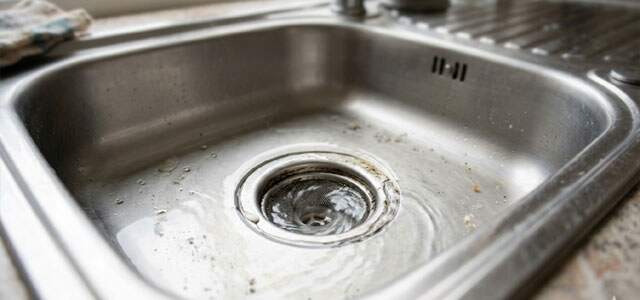
A clear guide to why drains run slowly, what it means and how to fix the problem properly.
Slow drains are often the earliest warning sign of a developing drainage problem. While water may still flow, reduced drainage speed usually indicates a restriction, build-up or underlying defect within the system.
In many cases, the only reliable way to identify the exact cause is with a professional CCTV drain survey, which allows the inside of the pipework to be inspected before recommending the correct repair solution.

What Causes Slow Drains?
Slow drainage usually happens when something begins to restrict the flow of water inside the pipe. This restriction may build gradually over time or develop due to structural issues within the drainage system.
In early stages, the problem may seem minor, but without investigation it often develops into a full blockage or more serious defect.
Quick Answer
Slow drains are typically caused by partial blockages, scale build-up, root ingress or pipe defects restricting water flow.
Common Reasons Why Drains Run Slowly
Partial Blockages
Build-up of grease, debris or waste inside the pipe reduces flow capacity, causing water to drain more slowly over time.
Scale Build-Up
Mineral deposits and residue reduce the internal diameter of the pipe, restricting flow and trapping additional waste.
Tree Root Ingress
Roots entering the drainage system restrict flow and create areas where debris collects, slowing drainage.
Pipe Damage or Deformation
Cracks, collapses or distorted pipework can reduce flow capacity and disrupt normal drainage performance.
Signs a Slow Drain May Become a Bigger Problem
Slow drainage is often the first stage of a more serious issue developing within the system.
Important
- Water taking longer than normal to drain
- Recurring slow drainage after clearing
- Gurgling sounds from pipework
- Drain smells developing alongside slow flow
- Multiple fixtures draining slowly
How Slow Drains Are Diagnosed
The most effective way to diagnose a slow drain is through a CCTV drain survey.
This allows engineers to inspect the inside of the pipework and identify whether the issue is caused by build-up, root intrusion, scale or structural damage.
Professional Insight
Most drainage problems cannot be accurately diagnosed from the surface. A CCTV survey ensures the correct repair is chosen, preventing recurring issues.
How Slow Drains Are Fixed
The correct repair depends on what is found during inspection.
- Minor build-up may be cleared with cleaning or jetting
- Blockages require professional removal and inspection
- Root ingress may need cutting and repair
- Structural damage may require internal pipe repair
If defects are identified, solutions such as patch lining or no-dig drain repairs can restore the pipe internally without excavation.
Why Early Investigation Matters
Slow drains are often the first warning sign before a complete blockage occurs.
Addressing the issue early can prevent:
- Full drain blockages
- Property disruption
- Emergency callouts
- More costly repair work
Frequently Asked Questions
Why is my drain draining slowly?
Slow drains are usually caused by partial blockages, build-up, scale or damage restricting water flow inside the pipe.
Will a slow drain turn into a blockage?
Yes. In many cases, slow drainage is the first stage before a full blockage develops if the issue is not addressed.
How do you fix a slow drain?
Fixing a slow drain depends on the cause and may involve cleaning, unblocking or repairing the drainage system.
When should I get a CCTV drain survey?
A CCTV survey is recommended when slow drainage persists or returns, as it identifies the exact cause.
Need Help With a Slow Drain?
Persistent slow drainage is often a sign of an underlying issue that needs proper inspection.