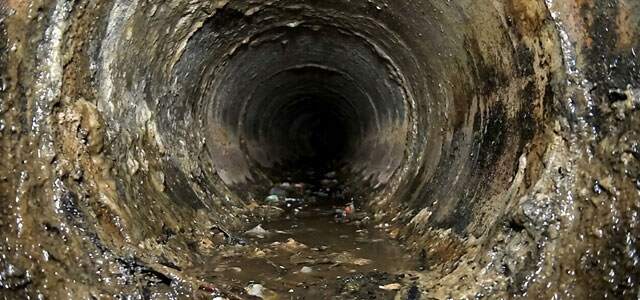
A clear guide to why drains smell, what it means and how to fix the problem properly.
Unpleasant drain smells are often the first clear sign that something is wrong within the drainage system. While minor odours can sometimes be caused by temporary build-up, persistent smells usually point to blockages, trapped waste, dry traps or structural drainage defects.
In many cases, the only reliable way to identify the true source is with a professional CCTV drain survey, which allows the inside of the drainage system to be inspected properly before any repair work is recommended.

What Causes Drain Smells?
Drain smells usually develop when waste, residue, bacteria or gases build up inside the drainage system.
In some cases, the cause is relatively simple, such as a blocked gully, trapped debris or a dry trap. In other cases, the smell is linked to a deeper issue such as cracked pipework, scale build-up, root ingress or poor system ventilation.
Quick Answer
Drain smells are commonly caused by trapped waste, blocked drains, dry traps, scale build-up or damaged pipes allowing foul gases to escape.
Common Reasons Why Drains Smell
Blocked Drains
Organic waste trapped inside the pipe begins to break down over time, creating unpleasant odours that can travel back through gullies, sinks and inspection chambers.
Scale Build-Up
Mineral deposits and internal residue can trap waste and bacteria inside the pipe, especially where flow has already started to reduce.
Tree Root Ingress
Roots entering the drainage system can trap debris, restrict flow and create stagnant areas where smells begin to develop.
Cracked or Damaged Pipes
If the pipe has cracked or degraded, foul drainage gases can escape into surrounding areas rather than being safely contained inside the system.
Dry Traps
A drain trap is designed to hold water and stop sewer gases entering the property. If the trap dries out, smells can pass through much more easily.
Poor Ventilation
Blocked, damaged or poorly functioning vent pipes can stop gases escaping correctly, causing odours to be pushed back towards drainage outlets.
Signs the Smell May Indicate a Bigger Problem
Not every drain smell points to a major structural issue, but persistent odours should not be ignored, especially when they appear alongside other drainage symptoms.
Important
- Smells that keep returning after cleaning
- Odours combined with slow drainage
- Gurgling sounds from pipework
- Water backing up into sinks, toilets or gullies
- Multiple drains smelling at the same time
How Drain Smells Are Diagnosed
The correct repair depends entirely on identifying the real cause.
A professional CCTV drain survey allows engineers to inspect the inside of the system and determine whether the smell is caused by simple build-up, trapped waste or a more serious drainage defect. This prevents guesswork and helps avoid wasting time on temporary fixes that do not solve the underlying problem.
Professional Insight
Treating the smell alone is rarely enough. If the underlying issue is structural, such as root ingress, cracking or internal deposits, the odour will often return until the real cause is dealt with properly.
How Smelly Drains Are Fixed
The right solution depends on what the inspection reveals.
- Minor build-up may be resolved through cleaning or flushing
- Blocked drains may require proper clearing and system inspection
- Structural defects may need internal repair
- Dry traps may simply need restoring with water
- Where damage is present, trenchless methods may be suitable
If the survey identifies a localised defect, modern solutions such as patch lining or broader no-dig drain repairs can often restore the pipe internally without excavation.
Why This Matters for Property Owners and Site Managers
Bad drain smells are more than just unpleasant. They are often an early sign that the system is not functioning as it should.
For homeowners, landlords and commercial site managers, early investigation can prevent recurring blockages, avoid unnecessary disruption and reduce the risk of more expensive repair work later.
Frequently Asked Questions
Why do drains smell?
Drain smells are usually caused by trapped waste, blocked drains, dry traps, scale build-up or gases escaping from damaged pipework.
Are drain smells dangerous?
Persistent drain smells can indicate underlying drainage issues and may involve exposure to foul gases, so they should be investigated properly.
How do you fix a smelly drain?
That depends on the cause. Some cases need cleaning or clearing, while others require a survey and repair work to address structural defects.
When should I get a CCTV drain survey?
A CCTV drain survey is recommended when smells persist, return repeatedly or are accompanied by slow drainage, gurgling or recurring blockages.
Can drain smells come from damaged pipes?
Yes. Cracked or displaced pipework can allow gases to escape from the drainage system, creating persistent odours around the property or site.
Need Help Identifying the Cause of Drain Smells?
Persistent drain odours are often a sign that the drainage system needs proper investigation.